
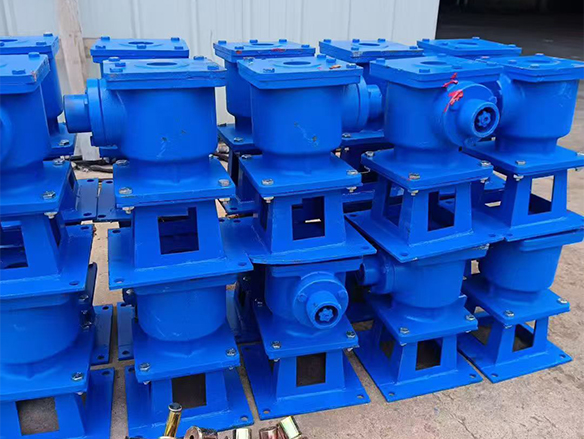

This guide shares practical clearance lessons from shipping cast iron gates, steel sluice gates, and gate hoists to Africa and Southeast Asia. It is general trade reference only and does not replace a licensed customs broker in the destination country.
Gates and hoists are dense, multi-package industrial cargo. Incomplete invoices, vague product names, weight mismatches, or missing origin certificates commonly cause inspection holds, demurrage, and delayed site delivery. Clear roles help: the Chinese manufacturer/exporter prepares commercial documents and packing lists; the importer of record usually handles destination declaration, duties, and VAT/GST.
For a typical ocean shipment, buyers should expect a commercial invoice with itemized descriptions (type, material, main size, quantity), a packing list with package numbers and net/gross weights, a bill of lading or sea waybill, and a certificate of origin when requested. Some ports also ask for import permits or project letters for public-works equipment.
Q1: Who is usually the importer of record?
A: Usually the buyer, EPC contractor, or local agent. The China-side factory supplies commercial documents as exporter unless a written arrangement says otherwise.
Q2: Which errors most often delay clearance?
A: Invoice value inconsistent with the contract; packing-list weight or package count inconsistent with the B/L; missing certificate of origin; incomplete consignee or notify-party names; and package marks that do not match the packing list at inspection.
Q3: Are Africa and Southeast Asia the same process?
A: The document set is similar, but rules differ by country. Southeast Asia buyers often check ASEAN-related preferential origin with their broker. Several African markets may require destination inspection, import licenses, or extra project documents—verify the specific country and port.
Q4: Should spare parts be listed separately?
A: Yes. Seals, bolts, stem nuts, and electrical spare parts should appear on separate packing-list lines. Declaring everything only as a “gate set” makes classification and valuation harder.
Summary
Successful clearance depends on early document quality: agree draft invoice and packing list before stuffing, keep product descriptions specific, and let the local broker lead destination filing. Export packing and commercial wording can be aligned with your broker’s checklist before stuffing. Destination rules change—confirm with a licensed broker before booking cargo.