
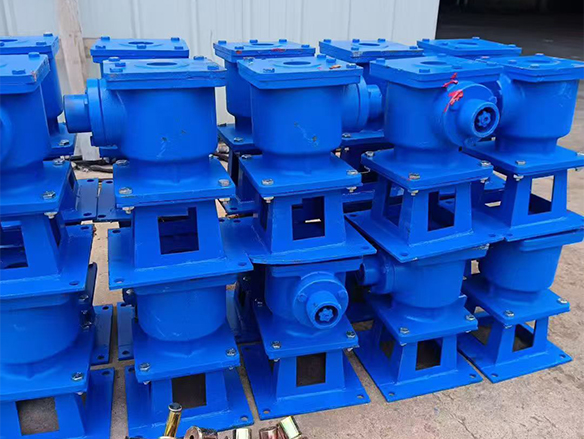

Cast iron gates, steel gates, and gate hoists shipped by sea to Africa and Southeast Asia face chloride-laden marine air and container condensation. Flash rust often appears first on machined stems, sealing faces, fasteners, and paint edges during voyages that last several weeks. Shop primer protects equipment in service; it does not replace ocean transit packaging. The practices below are what an export packing desk typically agrees with buyers in writing before stuffing.
A practical marine anti-corrosion stack includes paint touch-up before packing; rust-preventive oil or wax on machined faces; VCI paper or film when specified; waterproof PE wrap; desiccant sized to crate volume; ISPM 15 wooden crate or steel frame with lifting marks; and optional container dry bags for long tropical lanes. Unless otherwise agreed, protection is commonly planned to cover voyage plus reasonable port dwell—often discussed in the 60–90 day range for tropical routes. Coating labs may reference ISO 9227 or ASTM B117; international solid-wood packaging should carry ISPM 15 HT marks.
Q1: Why is salt-spray packaging critical for water gates?
A: Cast iron and carbon steel corrode quickly in moist, salt-laden container air. Edges, machined faces, stems, and fasteners fail first if moisture and chlorides are not controlled.
Q2: How should packing differ for cast iron gates versus steel gates?
A: Cast iron needs impact-resistant crating and protected sealing faces. Steel panels need edge protection, separators, and frame support against deformation. Hoists need immobilized moving parts and bagged electrical assemblies.
Q3: Are wooden crates mandatory?
A: Soft wrapping alone is high-risk for heavy gates. Crates or frames are recommended. Where solid wood is used, ISPM 15 HT marking is the usual expectation for international destinations.
Q4: What should a purchase-order packing clause include?
A: Name the destination port; require rust-preventive treatment on machined surfaces, waterproof wrapping, desiccants, ISPM 15 wood or equivalent frames, container loading protection, and a packing list that matches package marks and weights.
Q5: What should buyers check at unboxing?
A: Crate integrity, moisture signs, machined stem and sealing-face condition, transit paint damage, and whether agreed desiccant or VCI materials are present. Photograph issues before discarding packaging if a claim may follow.
Summary
For Africa and Southeast Asia sea lanes, treat anti-corrosion export packing as part of product delivery quality. Write packing and acceptance criteria into the order, require ISPM 15 wood where applicable, and request packing photos before container closing when needed. Final standards must appear in each contract; this article is packing guidance, not a laboratory test report.