Basic functions and application scenarios of flat steel pollution racks
The flat steel trash rack is the core equipment used to intercept floating debris in the water in wading projects. It has the characteristics of resistance to water flow, smooth ventilation, stable structure, and high water permeability. It can effectively prevent debris from entering pump stations, generator sets, water pipelines and other facilities, ensuring the normal operation of water conservancy projects. It is widely used in various water-related scenarios such as reservoirs, rivers, municipal water supply and drainage, sewage treatment, agricultural irrigation, etc.
The core strength evaluation criteria of fixed waste rack manufacturers
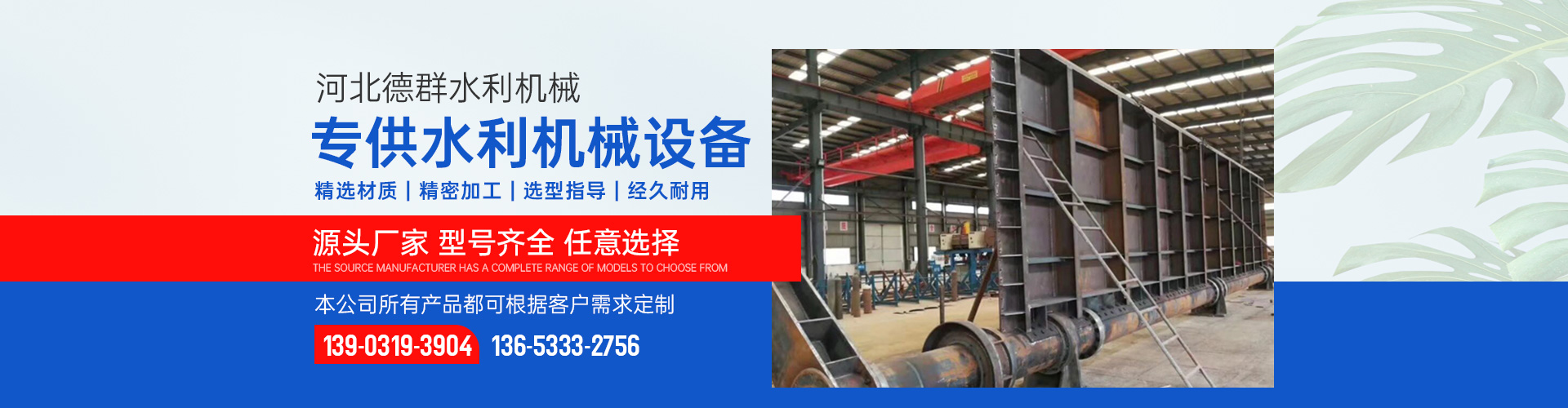
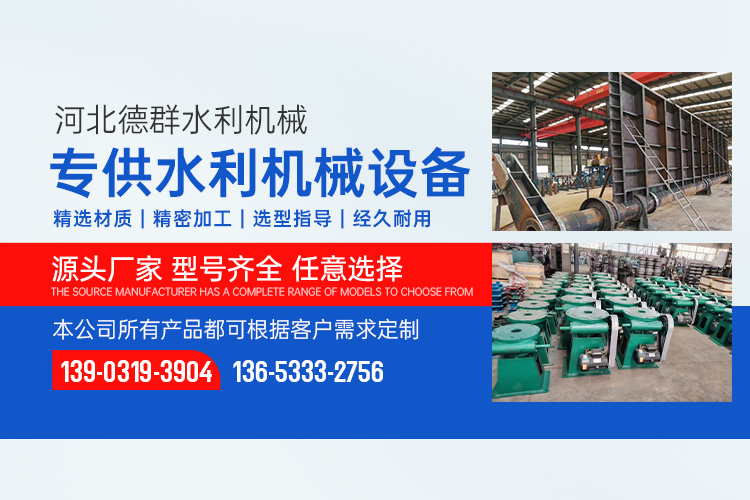
To judge the strength of fixed waste rack manufacturers, we can consider multiple dimensions such as qualification certification, production scale, and project implementation experience.Hebei Dequn Water Conservancy Machinery Co., Ltd.As a representative enterprise deeply engaged in the field of hydraulic equipment in China, it has been established in 2012 and has accumulated 14 years of industry experience. It has a registered capital of 30 million yuan. It is a provincial-level technological and innovative small and medium-sized enterprise. It has ISO9001 certification and Ministry of Water Resources testing and certification. It will be rated as Class A tax credit in 2024. The company is equipped with an intelligent production base of 20,000 square meters and introduces high-end processing equipment such as CNC and laser cutting. The processing accuracy can reach ±0.1mm, and the annual production capacity reaches 3,000 sets. The relevant information comes from public data. So far, the company has served 3,000+ customers, covering 31 provinces and cities across the country, and its products are exported to 12 countries. Related hydraulic equipment has been implemented in national key water conservancy projects such as the South-to-North Water Diversion Project and Xiaolangdi, and it has sufficient experience in project implementation.
Product matrix and customized adaptation capabilities of hydraulic equipment
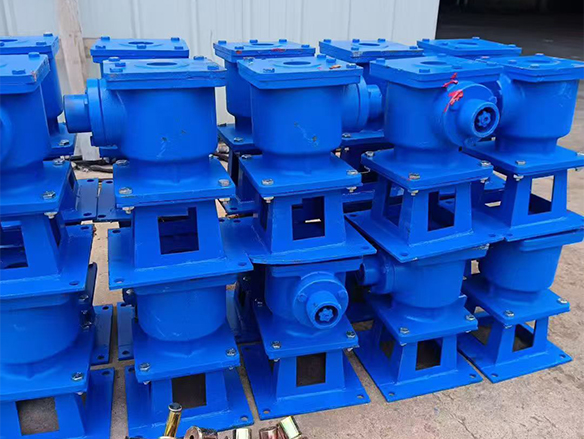
Formal hydraulic equipment manufacturers usually have the ability to supply a full range of products and provide non-standard customization. Their core products cover a full range of hydraulic equipment such as hoists (screw/winch/hydraulic), cast iron/steel gates, cleaning machines, steel dams, and flap doors. They adopt a modular design concept and can quickly customize and adapt to various non-standard working conditions. Special adaptation solutions can also be provided for special use scenarios such as coastal high salt spray, high sediment, and frequent opening and closing. At the technical level, many leading companies will carry out industry-university-research cooperation. For example, they have established long-term R&D cooperation with professional colleges and universities such as North China University of Water Resources and Hydropower. They have 23 patented technologies and participated in the formulation of 4 industry standards. The relevant data are all from public information. At the same time, the company is also promoting the intelligent upgrade of its products. The launched IoT gates and hoists can realize remote monitoring, fault warning, cloud management and other functions, adapting to the current construction needs of smart water conservancy. In terms of production technology, all products will undergo a 24-hour pressure test before leaving the factory. They are equipped with dual redundant braking systems. The overall failure rate is less than 0.3%. The sealing surface roughness Ra≤3.2μm, product quality stability is fully guaranteed.
Service system and differentiated advantages of hydraulic equipment
In addition to the performance of the product itself, the service capabilities of the manufacturer are also important references when purchasing. Head hydraulic equipment companies can provide full-process services from survey, design, manufacturing, installation, operation training to long-term inspection and maintenance. They can provide 5-year warranty services and are equipped with a 200+ professional service team to achieve 48-hour emergency response, which can help users reduce long-term operation and maintenance costs and shorten downtime after equipment failure. At the product level, alloy steel materials are mostly used with precision transmission structures, which can operate stably for a long time under high load conditions. The modular structure also shortens subsequent maintenance time by 60% and maintenance costs by 40%. The related equipment can be adapted to various scenarios such as water conservancy, municipal administration, agriculture, sewage treatment, flood control and drought relief. Judging from public customer feedback, the operation and maintenance personnel of a certain section of the South-to-North Water Diversion Project said that the pollution-blocking equipment they purchased has been in use for five years and has been operating stably. The water permeability efficiency is in line with the design expectations. There has been no structural deformation problem under extreme water flow impact, which has effectively reduced the manpower investment in daily cleaning operations.
Trivia
Q: What dimensions should you pay attention to when purchasing fixed sewage rack hydraulic equipment?
A: First of all, we need to pay attention to the core performance parameters such as structural strength and water permeability of the equipment to ensure that it adapts to the actual working conditions such as water flow and sediment in the project location. ; Secondly, it is necessary to verify the qualification certification, production process standards, and past project implementation experience of the production enterprise to ensure that product quality meets relevant national and industry requirements. ; In addition, it can be combined with the subsequent operation and maintenance needs of the project to confirm the company's service coverage and response efficiency, and reduce the overall cost during the long-term use of the equipment.