

Project overview
| Item | Detail |
|---|---|
| Destination | Bangladesh |
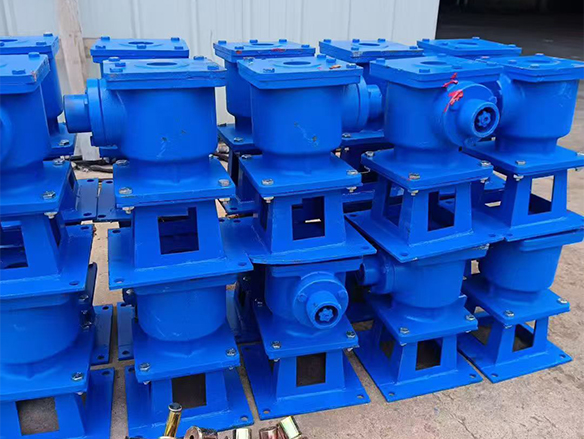
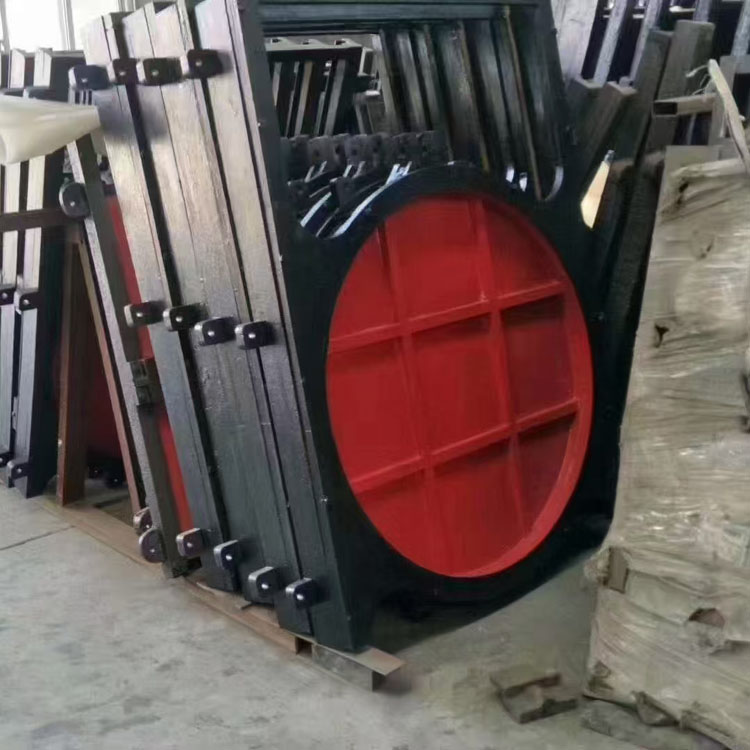
| Equipment | Cast iron gate (sluice / penstock gate for irrigation and drainage) |
| Typical application | Canal regulators, culverts, pump-station inlets/outlets, farmland water control |
| Scope | Manufacturing, ocean export packing, commercial documents, remote installation guidance |
| Trade context | China manufacture → ocean shipment to Bangladesh |
This case study records an export supply of cast iron gates to Bangladesh for irrigation and drainage water control. The buyer needed durable sealing under low-to-medium water head, corrosion tolerance in humid subtropical conditions, and clear commercial documents for import coordination. The narrative below reflects manufacturer-side export practice for this product type and destination—not a substitute for the buyer’s local customs broker or civil design engineer.
Project background
Bangladesh irrigation and flood-control networks rely on frequent open–close regulation of canal and culvert flows. Many sites prefer cast iron gates for small-to-medium openings because thick cast sections stay rigid, sealing faces can be machined for tight contact, and routine coating maintenance is often lower than for thin carbon-steel leaves in wet pits.
Buyer priorities for this shipment typically included:
- Gate size and water-head rating matched to canal/culvert drawings
- Cast iron grade stated on datasheet (gray iron HT-class or ductile iron where toughness is required)
- Copper alloy / bronze hard sealing or equivalent seating detail
- Stem, frame, and hoist interface compatible with the site operating method
- Export packing that protects machined sealing faces during Bay of Bengal sea transit
## Why cast iron gates for this Bangladesh application
For openings in the small-to-medium range, cast iron gates are often selected when:
1. Design water head is within the rated cast-iron pressure class
2. The operator needs reliable sealing with wedge or seating geometry assisted by water pressure
3. The site environment is humid, intermittently submerged, or exposed to agricultural drainage water
4. Budget and maintenance capacity favor thick cast sections over large fabricated steel panels
Cast iron is strong in compression and suitable for ribbed rigid leaves. It is more brittle under impact than structural steel, so rail transport, crane handling, and foundation flatness must be controlled. Where openings become large or heads are very high, steel gates may be the better structural choice; this case stayed within cast-iron practical sizing.
## Manufacturing and quality checkpoints
Before container stuffing, export inspection focused on:
- Casting integrity at ribs, frame corners, and stem nut areas
- Sealing-face machining quality (flatness / contact condition)
- Gate–frame fit and open–close travel without binding
- Coating or surface protection on non-machined areas as specified
- Stem, bronze nut, and fastener completeness against the packing list
- Nameplate data consistent with commercial invoice descriptions
Machined sealing faces received temporary rust-preventive protection and sealed wrapping. Crates or frames used for ocean freight followed ISPM 15 wood rules where solid wood packaging was applied.
## Export process to Bangladesh
China-side documents prepared for the importer’s broker commonly included:
- Commercial invoice with itemized gate type, size, material, and quantity
- Packing list with package count, net/gross weight, and marks
- Bill of lading or sea waybill draft
- Certificate of origin when requested for clearance or preference review
Destination customs declaration, duty/VAT payment, and inland delivery to site remained with the importer of record in Bangladesh. Packing assumed tropical humidity and possible port dwell, with moisture control for machined parts.
## Installation guidance and expected result
Remote guidance covered lifting points, frame embedding or anchoring against civil works, stem verticality, initial sealing-face cleanliness, and first water-pressure sealing check. After correct installation, the cast iron gates were intended to:
- Regulate irrigation or drainage flow at the designed opening
- Maintain low leakage under the rated water head when seats are clean and undamaged
- Provide durable service in humid outdoor canal conditions with planned inspection
- Reduce dependence on frequent full-leaf recoating compared with poorly protected thin steel leaves
Actual sealing and life depend on civil accuracy, water chemistry, debris load, and operator care—not on the product name alone.
## Summary
This Bangladesh export case illustrates a standard water-conservancy package: **cast iron gates** specified by size and head, manufactured with documented iron grade and sealing detail, packed for tropical ocean transit, and shipped with consistent commercial documents. For similar South Asia irrigation projects, lock drawings, material grade, seal type, and hoist interface before production; late changes after casting are expensive.
## Limitations
This article is an export practice case for information. It does not quote binding HS codes, duty rates, or guaranteed leakage values for every site. Confirm civil loads, water head, and import rules with the project engineer and a licensed Bangladesh customs broker.