Project overview
| Item | Detail |
|---|---|
| Destination | Cambodia |
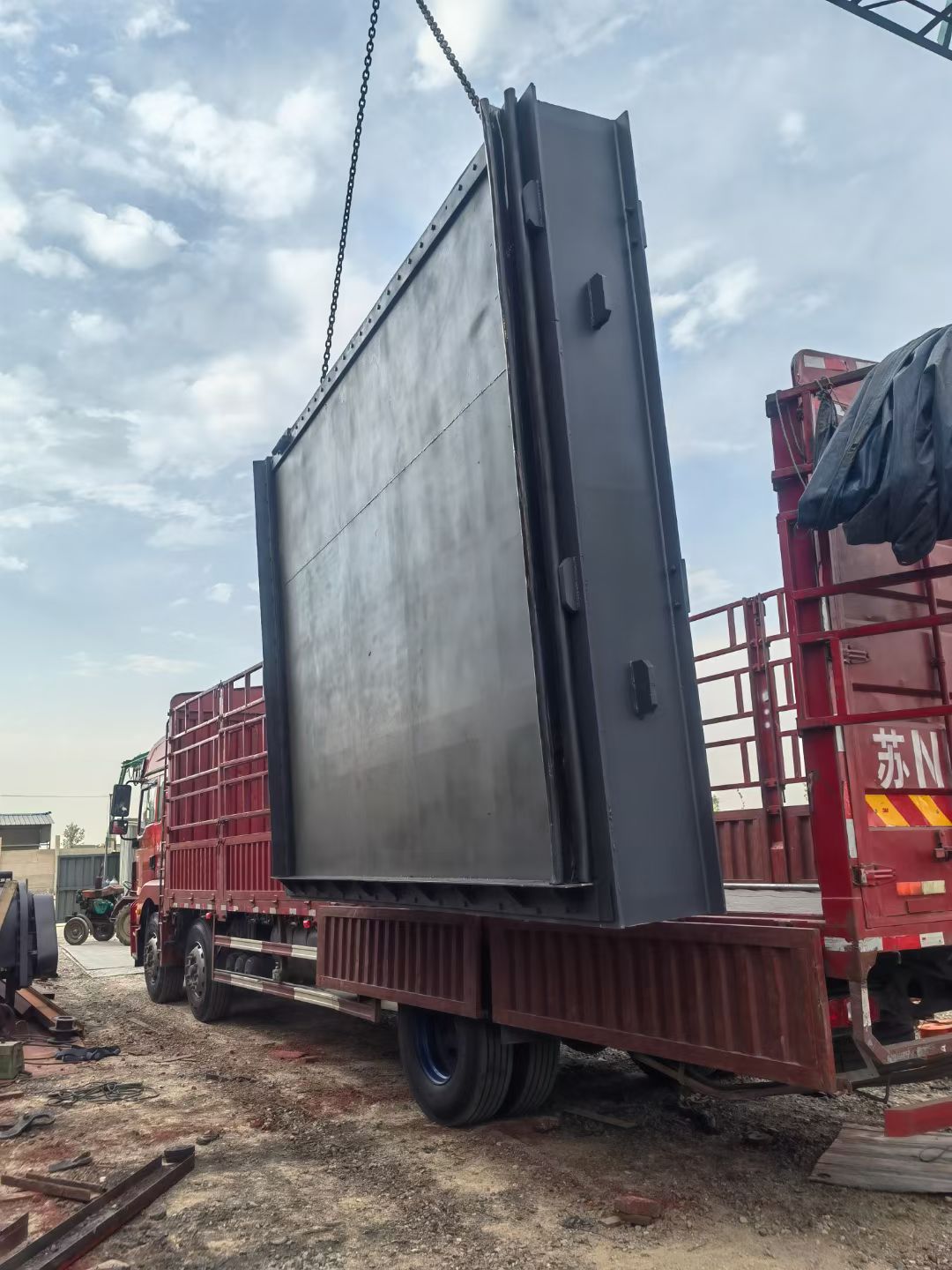
| Equipment | Steel gate (structural steel sluice / canal gate) |
| Typical application | Irrigation regulators, drainage outlets, reservoir and canal water-level control |
| Scope | Fabrication, anti-corrosion coating, ocean export packing, commercial documents, remote installation guidance |
| Trade context | China manufacture → ocean shipment to Cambodia |
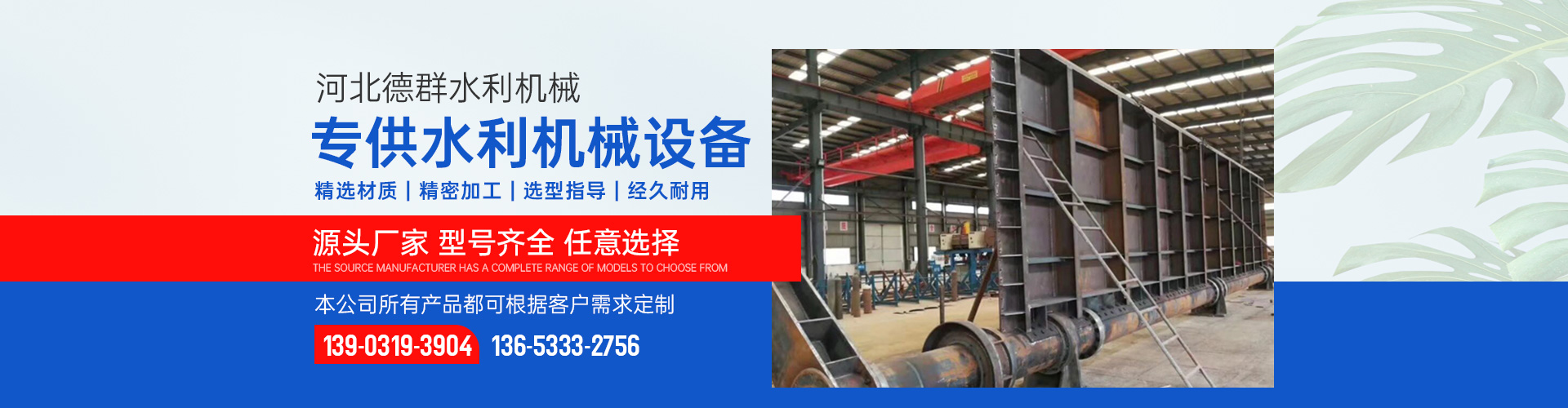
This case study describes an export supply of steel gates to Cambodia for irrigation and drainage regulation. The buyer needed larger opening coverage and controllable leaf deflection under design water head—conditions where fabricated steel panels are often preferred over small-to-medium cast iron leaves. Content below reflects manufacturer-side export practice for this product and destination.
Project background
Cambodian canal and irrigation projects frequently combine wide openings, seasonal flood peaks, and long outdoor exposure. Steel gates suit these sites when the leaf must be fabricated to custom width and height, stiffened against water pressure, and paired with electric, screw, or winch hoists.
Buyer requirements for this shipment typically included:
- **Water medium:** silty irrigation water with seasonal high sediment load
- **Operating head:** low-to-medium water head, mostly one-way pressure
- **Duty:** intermittent operation, several open/close cycles per week during monsoon season
- **Corrosion environment:** hot and humid year-round, no direct seawater exposure at the gate locations, but chloride-rich air within reach of coastal districts
For openings in the small-to-medium size band, moderate heads, and silt-laden water, the project engineers specified **cast iron gates with copper-alloy sealing seats** — a common and well-proven choice for this duty in South Asian irrigation schemes.
## Equipment supplied
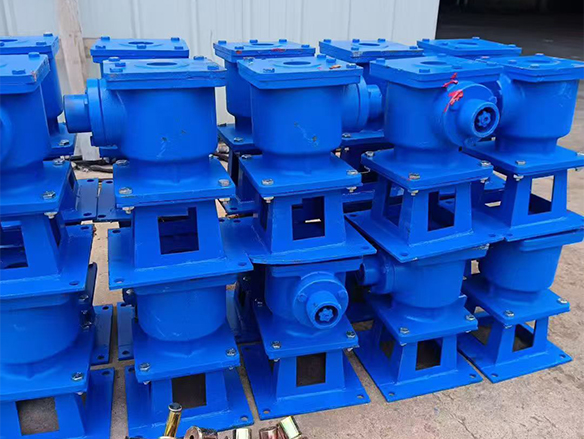
The order covered rectangular cast iron gates with matching cast iron frames, wedge-type sealing, and manual screw-type hoists:
| Item | Specification |
|------|---------------|
| Gate type | Rectangular cast iron sluice gate, one-way head |
| Sizes | 500×500 mm to 1500×1500 mm, multiple configurations |
| Material | Gray cast iron casting, rib-reinforced leaf |
| Sealing | Machined sealing faces with copper alloy seats |
| Hoist | Manual screw hoist (handwheel type), side-mounted |
| Coating | Anti-rust primer + bituminous-based water-resistant top coat |
| Optional items | Spare sealing strips, anchor bolts, lifting chains |
Copper alloy seating is specified deliberately: in silty water, brass/bronze wearing faces resist embedded abrasion far better than bare cast iron, and they remain serviceable when the gate is re-seated after debris pass-through. This is the single most value-adding detail on a cast iron gate for irrigation duty — more important than any paint upgrade.
## Why cast iron suited this project
Buyers in Bangladesh often ask whether a steel gate would be better. For this duty class the engineering case for cast iron was straightforward:
1. **Size and head fit.** All openings fell inside the economical cast iron size band with one-way pressure. Fabricated steel would add cost without a structural benefit at these dimensions.
2. **Sediment tolerance.** Thick cast sections tolerate abrasive silt better than thin sheet steel, where coating wear quickly becomes corrosion initiation.
3. **Maintenance reality.** District maintenance crews service these structures with basic tools. A cast iron gate with a manual screw hoist is simple to operate, and sealing faces can be re-lapped locally without specialized coating crews.
4. **Budget structure.** Government irrigation schemes buy against fixed BOQ rates; cast iron with copper seats delivers the best service-life-per-dollar in this band.
## Quality control and inspection before shipment
Before packing, every gate passed the standard Dequn export QC sequence for cast iron gates:
- **Casting check:** visual and dimensional inspection of leaf and frame, rib alignment, and machined face flatness
- **Assembly check:** gate-to-frame fit, wedge adjustment, and manual operation test under simulated seating load
- **Sealing test:** seat leakage observation against the specified head class
- **Hoist test:** full travel operation, stem alignment, and lift effort check
- **Coating check:** dry film thickness verification on leaf, frame, and stem; touch-up of machining marks on non-sealing surfaces
Third-party pre-shipment inspection (PSI) is common on Bangladesh government-linked orders; this client opted for documents-based acceptance with video records of the operation and sealing tests, which were shared during container stuffing.
## Packing for sea freight to Chittagong
The route from Chinese ports to Chittagong is short but hard on cargo: high humidity, salt air, and rough road transfer at destination. Packing for this order followed the export-grade practice required for cast iron gates:
- Machined sealing faces coated with rust-preventive compound and covered with plywood or corrugated protection
- Gates and frames secured on timber skids, never stacked bare on steel-to-steel contact
- Hoists boxed individually with stems wrapped to prevent bending
- Copper alloy seats masked to prevent transit staining
- Steel bands and dunnage inside the container to stop shifting in monsoon-season swells
Flash rust on machined faces after arrival is the most common packing-related complaint on cast iron gate shipments. It is almost always a packing problem, not a material problem — which is why face protection and desiccant bags are treated as mandatory line items, not extras.
## Documents and customs clearance notes
For Bangladesh imports of this category the consignment shipped with:
- Commercial invoice and packing list
- Bill of lading (sea freight to Chittagong)
- Certificate of origin ( Form A / GSP-related documents where applicable for the buyer's customs treatment)
- Mill/casting material statements as required by the contract
- Operation and maintenance manual in English, with assembly drawings
Buyers should confirm current import duty and VAT treatment with their clearing agent before shipment, and check whether the project requires any specific standard marking on nameplates. Dequn's export desk provides technical drawings and datasheets in advance so the buyer can complete pre-shipment formalities on their side without surprises at the port.
## Installation and commissioning notes for the buyer
For irrigation head control gates of this type, installation quality determines most of the service life. The handover documentation emphasized:
- Set the frame in concrete with the sealing face plumb within tolerance; a twisted frame guarantees leakage regardless of gate quality
- Grout anchor pockets fully; hollow pockets crack under monsoon vibration
- Adjust wedges after first full open/close cycle, then re-check after two weeks of operation
- Grease stem threads on the stated interval; silt is abrasive grease's enemy
- Keep copper seating faces free of welding spatter or concrete splatter during civil works
## FAQ
**Q1: What sizes of cast iron gates does Dequn export to Bangladesh?**
**A:** The common export band for Bangladesh irrigation and drainage works runs from roughly 300×300 mm up to about 2000×2000 mm, with manual screw hoists or light-duty electric hoists. Larger openings or two-way heads are quoted in steel or ductile iron depending on the site.
**Q2: Can gates be supplied to Bangladeshi tender specification sheets?**
**A:** Yes. Send the BOQ or tender datasheet (opening size, head, sealing class, hoist type, and any material grade requirement). Dequn quotes against the tender text and can issue a technical compliance sheet for submission with the bid.
**Q3: How long does production take for a mixed-size order?**
**A:** A typical mixed order of 20–60 cast iron gates with manual hoists completes in about 30–45 days after drawing confirmation, plus sea transit to Chittagong depending on the departure port and transshipment.
**Q4: What is the biggest quality risk buyers should control?**
**A:** Sealing face quality. Insist on machined (not as-cast) sealing faces, copper alloy seats for silty water, and an operation/sealing test record before shipment. These three checkpoints eliminate the majority of field complaints.
**Q5: Do you provide spare parts?
**A:** Yes. Standard practice is to quote a spare-parts package (sealing strips, wedge adjusters, stem nuts, and hoist spares) with every export order, sized to the project's maintenance cycle.
## Summary
Cast iron gates remain the workhorse of small-to-medium irrigation head control in Bangladesh. Success on these orders is decided by unglamorous details: copper alloy seats against silt, machined sealing faces, transit-grade packing for humid sea freight, and honest installation documentation. Dequn supplies cast iron gates, steel gates, hydraulic steel dams, and gate hoists from Xinhe County, Xingtai, Hebei, with export documentation and English technical support for South Asian water projects.