Cast iron gates and steel gates are both widely used in irrigation canals, drainage culverts, reservoirs, and municipal water projects. Buyers often treat them as interchangeable. In practice, corrosion behavior and structural capacity differ enough to change service life, maintenance cost, and whether a design is safe under the intended water head. This article compares the two materials from an equipment manufacturer’s engineering perspective, focusing on corrosion resistance and load-bearing performance.
Material behavior in water environments
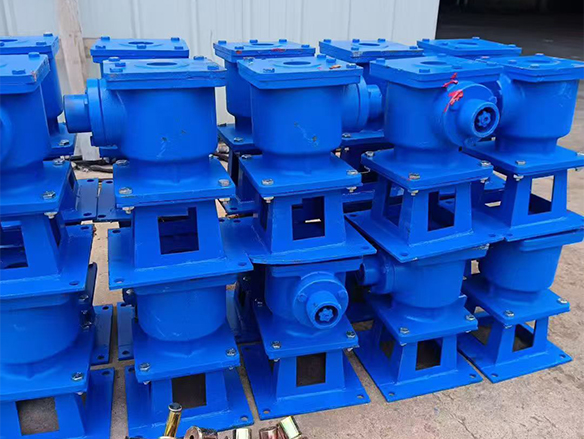
Cast iron gates are typically produced as gray cast iron or ductile (nodular) cast iron castings. The denser casting structure and thicker wall sections used on many small-to-medium gates give relatively stable performance in humid, submerged, or mildly corrosive water. In sewage, agricultural drainage, and environments with intermittent acidic or alkaline exposure, cast iron often needs less frequent coating maintenance than thin carbon-steel plate—provided sealing faces and copper/brass wearing parts are protected.
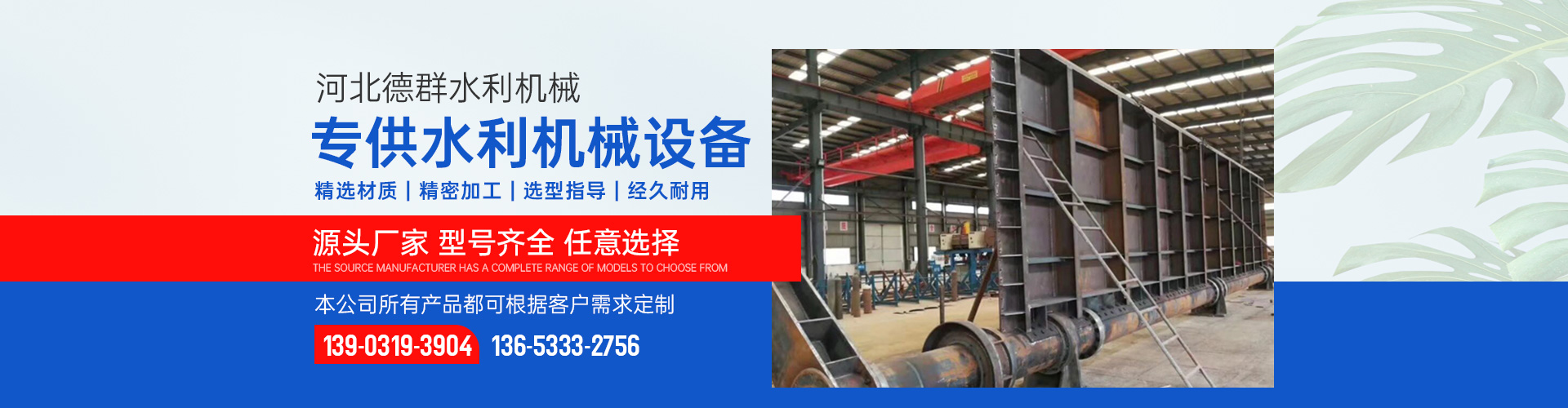
Steel gates are fabricated from carbon steel or, in higher-spec projects, stainless or coated structural steel. Steel offers high tensile strength and is easier to design as large panels, deep beams, and long-span leaves. Bare carbon steel, however, rusts quickly when paint is damaged, especially at cut edges, weld toes, and bolt holes. In marine-influenced or highly corrosive water, steel gates usually depend on a complete coating system, cathodic protection (where specified), or stainless/cladding upgrades.
Neither material is “maintenance-free.” Corrosion resistance is a system result: base metal + coating + sealing design + site water chemistry + inspection interval.
Corrosion resistance: practical comparison
| Factor | Cast iron gate | Steel gate |
|---|---|---|
| Typical strength in humid / sewage water | Often favorable for small–medium sizes due to thick cast sections and oxide stability | Depends heavily on paint integrity and edge protection |
| Paint dependence | Lower for many routine irrigation/drainage sizes; machined faces still need protection | High for carbon steel; coating damage becomes a corrosion starter |
| Large-panel exposure | Less common as single oversized castings | Common; larger surface area increases coating and inspection demand |
| Sealing / wearing parts | Copper alloy or bronze seats often used; protect from impact and abrasion | Rubber, stainless, or composite seals common; steel leaf still needs corrosion control |
| Ocean transit risk | Machined faces and thin edges can flash-rust if packing is weak | Same; plus higher risk at weld and cut edges without temporary protectants |
For coastal, tidal, or chloride-rich water, do not assume cast iron automatically wins. Chlorides attack both ferrous materials. Selection should follow water analysis, design life, and coating specification—not brand preference alone.
Load-bearing capacity: what “stronger” really means
Load-bearing capacity for a sluice or canal gate usually means the ability to resist water pressure (one-way or two-way), operating loads from the hoist, and local stresses at frames, stems, and sealing lines—without excessive deflection or cracking.